


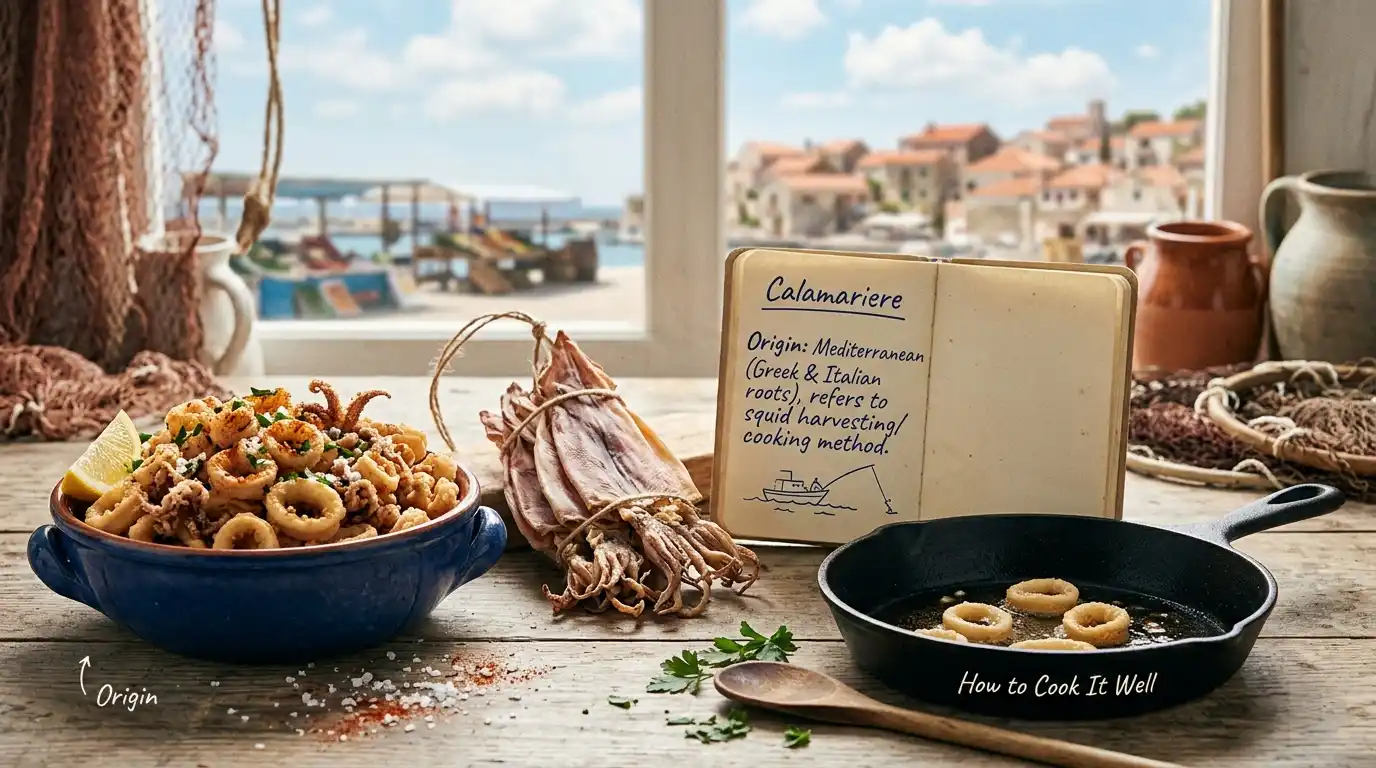
If you have come across the word calamariere online, you are not alone. It has started appearing on food blogs, lifestyle websites, and recipe pages, as though it were the name of a classic Mediterranean seafood dish. In most of those articles, the term is used to describe a refined way of preparing squid: simple, flavorful, elegant, and rooted in coastal cooking.
That said, the keyword is still a little unusual. It is not as widely established as words like calamari, and that is exactly why so many readers are searching for it. People want to know what it means, whether it refers to a real dish, how it differs from ordinary calamari, and why it has become so popular in food content.
The best way to understand calamariere is to think of it as a modern culinary label for squid prepared with greater care, attention to flavor, and a stronger connection to Mediterranean food traditions.
What is calamariere?
Calamariere is most often presented as more than a single recipe. Instead, it suggests a style of cooking and serving squid that feels a little more elevated than the standard fried appetizer most people know as calamari.
In online food writing, calamariere is commonly associated with:
- Fresh Squid
- Herbs
- Expressive Seasoning
- Olive Oil
- Coastal Influences
- Lemon
- Modern Variations
- Garlic
- Mediterranean Influences
So, while the word may not have a perfectly fixed traditional definition, it has developed a clear meaning in current food content. It points to squid prepared thoughtfully, whether fried, grilled, braised, stuffed, or reimagined in a more contemporary way.
Calamariere vs. calamari
The easiest way to explain the difference is this: calamari usually mean squid, and in everyday restaurant language, it often refers to fried squid rings. Calamariere, on the other hand, is typically used to suggest a broader and more refined concept.
Where calamari feel familiar and straightforward, calamariere sounds more stylized. It implies a dish or approach shaped by presentation, technique, and culinary identity.
That distinction is part of the keyword’s appeal. It sounds more distinctive than plain calamari, but it still connects to food people already recognize and enjoy.
Mediterranean roots and coastal influence
The reason calamariere is so often linked to Mediterranean cooking is simple: squid has long been part of coastal food culture across Italy, Spain, Greece, and other seaside regions. It is affordable, versatile, and full of character when handled properly.
Traditional coastal cooking tends to let the seafood take center stage. Instead of burying squid under heavy sauces or too many ingredients, Mediterranean kitchens often rely on olive oil, citrus, herbs, wine, tomatoes, and quick-cooking methods that preserve texture and freshness.
That philosophy aligns perfectly with how calamariere is described online. Even when modern writers stretch the term a little, the underlying food logic still makes sense. Squid thrives in recipes that value balance, simplicity, and technique.
What calamariere tastes like
Squid has a mild, slightly sweet seafood flavor. It is not overpowering, which is why it pairs so well with bright and savory ingredients. When cooked well, calamariere can taste fresh, clean, and deeply satisfying without feeling heavy.
Its texture matters just as much as its flavor. Good squid should feel tender with a little bite, not rubbery or dry. That is why so much of the conversation around calamariere centers on cooking time. Texture is the difference between an average squid dish and one that feels memorable.
The most common flavor partners include:
- Parsley
- Lemon
- Chili Flakes
- Garlic
- Aioli
- Tomatoes
- Olive Oil
- Light Wise Sauces
Make these ingredients available. These are the best for keeping Mediterranean-style preparations up to date with the latest trends and most popular serving styles.
How to cook calamariere properly
There is one rule every home cook should remember: squid should usually be cooked very quickly or quite slowly.
Quick cooking works best for fried, sautéed, or grilled squid. High heat and short timing help preserve tenderness. Slow cooking works for braised dishes, especially when squid is simmered in tomato sauce, wine, or aromatics until it softens.
The issue is that the cooking time is right at the center of the recipe. Cooking squid for too long at high heat makes the flesh chewy. Therefore, experts claim that this long cooking process must involve multiple people.
Best Cooking Methods
Fried
Crispy, fried products are loved the most, and you can experience it when they’re fried. This activity helps you keep meals crisp and golden. This recipe is the most famous and familiar preparation for squid. This dish is served with a light dipping sauce and lemon wedges.
Grilled
Grilled squid delivers a smoky flavor and a firmer, cleaner bite. It is especially good with olive oil, herbs, and charred lemon.
Braised
Slow-braised squid becomes tender and rich, especially when cooked with tomatoes, garlic, onions, and wine.
Stuffed
Whole squid tubes can be filled with breadcrumbs, herbs, seafood mixtures, or rice-based stuffing for a more traditional and impressive dish.
Is calamariere healthy?
Calamariere can be a smart addition to a balanced diet, especially when grilled, braised, or lightly sautéed rather than heavily battered and deep-fried. Squid is naturally high in protein and can provide useful nutrients often associated with seafood-based diets.
That said, the final health value depends on preparation. A simple plate of squid with olive oil, lemon, herbs, and vegetables is very different from a heavily fried version served with creamy sauces.
So, the better question is not whether calamariere is healthy in every case, but whether it is being prepared in a way that keeps the ingredients at the center. In most cases, the simpler the cooking, the better the nutritional profile.
How to buy squid for the best results
Preparing calamariere at home can be challenging. It is because ensuring quality matters the most.
However, before anything else, the availability of fresh squid is the most essential. It must be glossy, firm, and without smell. Some people may prefer frozen squid. The reason is that they are packed after proper handling to provide carefully managed squids.
If you do not know how to shop for squid, you need to inspect them by following the symptoms we are giving below:
- Fresh
- Firm Texture
- Clean Tubes
- Mild Scent
- Intact Flesh
- Clear Appearance
- Reliable Brand
If you are buying frozen squid, thaw it slowly in the refrigerator and pat it dry before cooking. Excess moisture can affect browning and texture.
Regional and modern variations
One reason the calamariere idea has spread so widely is that squid adapts beautifully to different cuisines.
You normally get it with parsley, tomato-based sauces, or lemon when it’s used in Italian-inspired cooking spots. When experiencing Spanish-style versions, there may be olive oil, garlic, and tapas-style serving. We also have Greek variations, which are served with grilled simplicity. This variation appears with citrus and herbs.
Modern kitchens take it even further. Squid may be folded into pasta, served in tacos, paired with aioli, finished with chili oil, or presented as a small plate with a more contemporary look. That flexibility is part of what makes the keyword attractive for content writers and food lovers alike.
Why the term matters now
Calamariere has gained attention because it sounds both familiar and new. It connects to a food people already enjoy, but it also gives that food a more distinctive identity.
For readers, that makes it interesting. Cooks can present themselves flexibly. The story does not end here, as marketers get maximum traffic from this keyword. They can incorporate words like restaurant culture, Mediterranean cooking, modern home recipes, and nutrition in their articles simultaneously.
In practical terms, calamariere matters because it gives people a way to talk about squid beyond the usual fried starter. It creates space for more thoughtful, more flavorful, and more varied interpretations.
Final thoughts
You cannot consider calamariere a common or traditional food that we can use daily. It is now part of modern food items.
It refers to squid prepared with style, care, and a Mediterranean spirit: simple ingredients, strong technique, and flavor that feels fresh rather than overworked.
Overall, you cannot consider calamariere only a dish. It is a complete package of squid dishes, combining texture, flavor, tradition, and creativity.
That is why the term keeps showing up, and why people keep searching for it. Behind the unusual keyword is a very appealing idea: seafood that is elegant, approachable, and surprisingly versatile when cooked well.
Frequently Asked Questions About Calamariere
What does calamariere mean?
Calamariere is a modern food term often used online to describe a refined or Mediterranean-inspired way of preparing squid. It is less a fixed traditional dish name and more a label for a style of squid cooking.
Is calamariere the same as calamari?
Not exactly. Calamari usually refers to squid itself, especially fried squid dishes. Calamariere is often used to suggest a broader, more elevated culinary style built around squid.
Is calamariere a real dish?
It can refer to a dish, but more often it is used as a concept or category in online food writing. Different websites use it to describe squid recipes, Mediterranean seafood traditions, or modern interpretations of calamari.
What does calamariere taste like?
Calamariere usually has a mild, slightly sweet seafood flavor. Its final taste depends on how it is prepared, but common flavor notes include lemon, garlic, olive oil, parsley, chili, and light tomato-based sauces.
How do you cook calamariere without making it rubbery?
The best method is to cook squid either very quickly over high heat or slowly over lower heat in a braised dish. Overcooking it at medium is usually what causes a rubbery texture.
Is calamariere healthy?
It can be a healthy seafood option when grilled, braised, or lightly sautéed. Squid is naturally high in protein and can provide useful nutrients, though the health profile changes if it is heavily battered and deep-fried.
What ingredients do well with calamariere?
Calamariere pairs well with olive oil, garlic, lemon, parsley, chili flakes, tomatoes, aioli, fresh herbs, roasted vegetables, salads, and light pasta dishes.
Can I make calamariere at home?
Yes. With fresh or properly thawed squid, simple ingredients, and careful timing, calamariere can be made successfully in a home kitchen.
Is calamariere Mediterranean?
It is commonly presented that way online because squid has strong ties to Mediterranean coastal cooking. Many recipes linked to calamariere use Mediterranean ingredients and techniques.
What is the difference between fried calamari and calamariere?
Fried calamari is one specific way of cooking squid, usually battered and crisp. Calamariere is a broader term that may encompass fried, grilled, braised, stuffed, or more modern preparations of squid.
